Steam-cycle plants
Heat produces high-pressure steam that drives a turbine-generator; condensers and feedwater systems complete the cycle.
Thermal power stations use heat to drive electricity-generating machinery. Fuel, steam-cycle design, efficiency, emissions control and plant reliability are central considerations.
Explore the story ↗Heat produces high-pressure steam that drives a turbine-generator; condensers and feedwater systems complete the cycle.
Combustion gases expand through a turbine. Combined-cycle systems recover exhaust heat for additional generation.
Some industrial facilities use waste heat or combined heat and power to improve overall energy utilization.

Coordinated plant systems and electrical output

Turbines, controls and balance-of-plant

Monitoring, planning and technical oversight
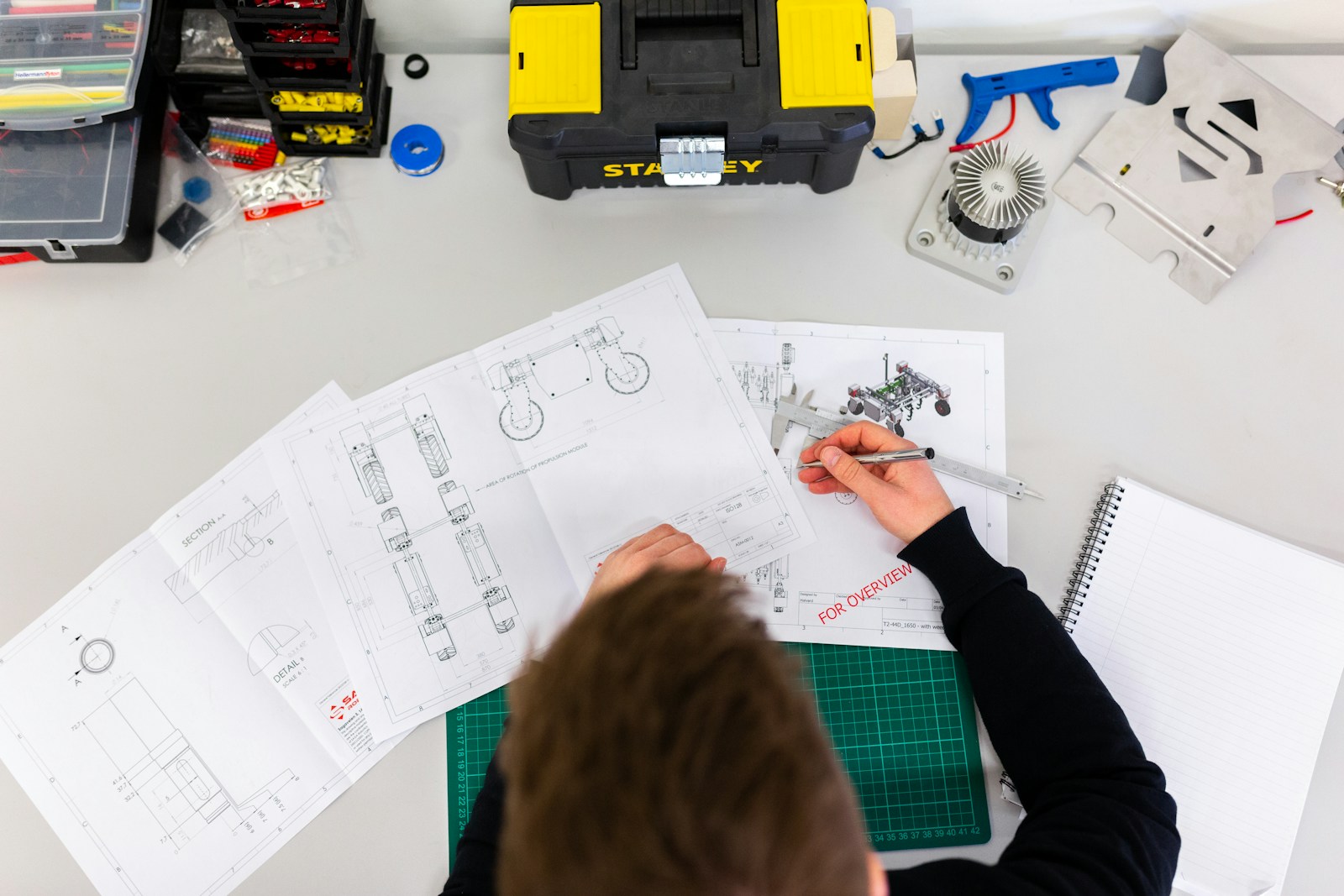
Thermal plants rely on coordinated systems: heat input, boilers or combustors, turbines, generators, cooling, water treatment, emissions management, transformers and controls. Plant configuration depends on technology, available fuel, water resources, operating profile and regulation.

Performance is shaped by heat rate, availability, maintenance planning, operating flexibility and adherence to safety and environmental standards.
Evaluate fuel availability, quality, logistics and supply security.
Assess steam, gas or combined-cycle systems and required balance-of-plant.
Plan emissions controls, water use, waste streams, worker safety and permitting.
Monitor heat rate, equipment condition, outages and continuous improvement.
Control technologies and regulatory limits depend on plant type, fuel and jurisdiction.
Cooling choices, water quality and local water stress affect site feasibility.
Efficiency improvements, flexible operation and evolving technologies influence long-term asset decisions.