Utility-scale solar parks
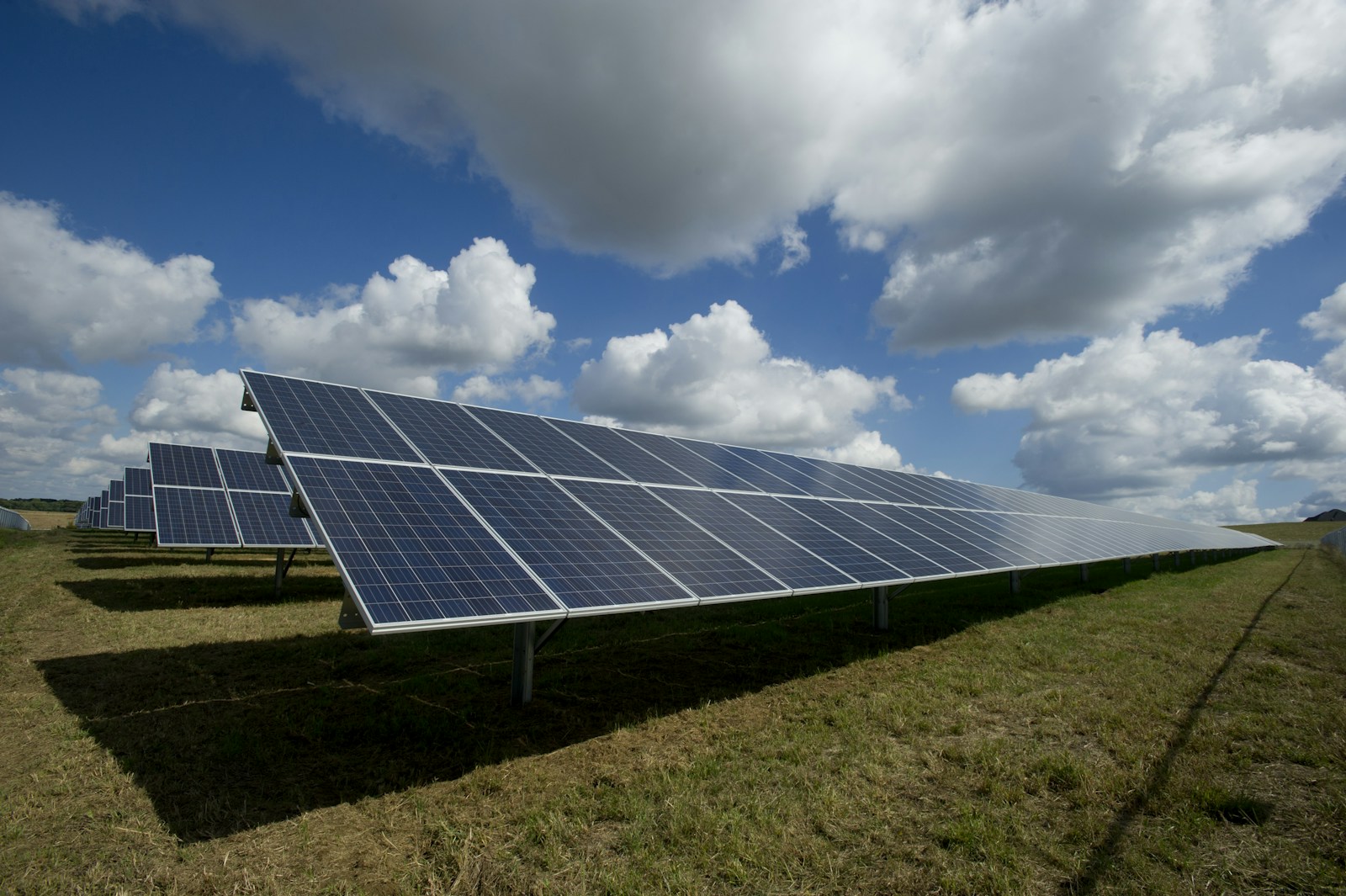
Large ground-mounted PV arrays designed around land characteristics, electrical collection systems and grid evacuation.
Solar power transforms an abundant natural resource into electricity through photovoltaic technology and, in some applications, concentrated solar thermal systems.
Explore the story ↗Photovoltaic cells absorb sunlight and generate direct current. Inverters convert it into alternating current for on-site use or grid delivery. Utility-scale plants also need transformers, protection equipment, monitoring, roads and grid interconnection. Solar output varies with irradiation, temperature, shading and seasonal conditions.

Large ground-mounted PV arrays designed around land characteristics, electrical collection systems and grid evacuation.
Rooftop generation can reduce grid purchases where load patterns, roof condition and electrical infrastructure are suitable.
Batteries and complementary generation can help shift energy delivery and improve operational flexibility.
Solar feasibility combines site screening, irradiation studies, module and inverter selection, generation modelling and grid connection.
Study irradiation, slope, access, drainage, land use and grid proximity.
Define DC/AC ratio, module arrangement, inverter topology and preliminary energy yield.
Review permits, electrical design, civil works, safety and procurement interfaces.
Track availability, performance ratio, soiling, degradation and preventive maintenance.
Generation estimates depend on solar resource data, temperature and seasonal variability.
Module warranties, inverter availability and long-term component performance affect project outcomes.
Land use, transmission capacity, biodiversity and end-of-life equipment management deserve early attention.

Solar panels convert light into direct-current electricity

Power conversion and grid interconnection

Site selection, yield forecasting and long-term asset performance